

Industry News
Voltage Stabilizer for Air Conditioners: Why Startup Power Matters More Than Rated Watts
2026-09-23
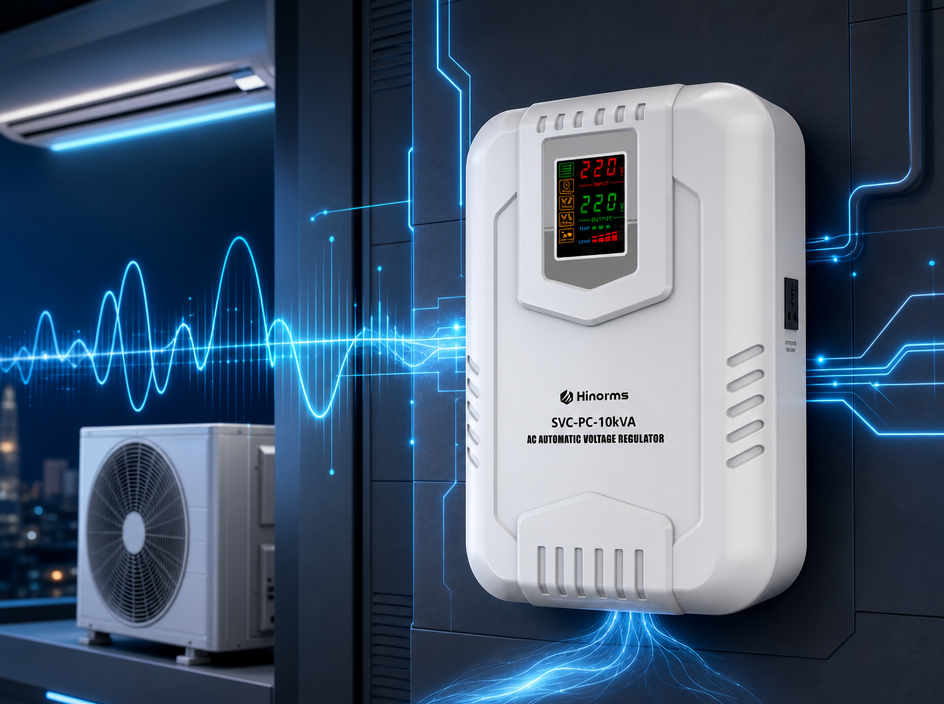
For voltage stabilizer distributors, air conditioner applications are one of the most common customer requirements. However, selecting the right stabilizer capacity is not always as simple as checking the rated power shown on the air conditioner label.
One important factor that is often overlooked is startup power.
Understanding startup power helps distributors recommend more suitable voltage stabilizer solutions and avoid performance issues after installation.
Rated Power Is Not the Same as Starting Power
The rated power of an air conditioner refers to the electricity consumption during normal operation.
However, when the compressor starts, the air conditioner may require a much higher amount of current for a short period.
This temporary increase is known as startup current or inrush current.
For example, an air conditioner rated at 1,500W during normal operation may require significantly more power at startup. If the voltage supply is already unstable, this sudden demand can cause:
-
Voltage drops
-
Difficulty starting the compressor
-
Stabilizer overload protection activation
-
Reduced equipment lifespan
Therefore, choosing a voltage stabilizer only based on the rated watts of the air conditioner may lead to incorrect capacity selection.
Why Low Voltage Makes Startup Problems Worse
Startup current becomes even more important in areas with unstable power supply.
When the input voltage is already low, electrical equipment needs more current to maintain the same power output.
As a result, air conditioners in low-voltage areas may experience greater startup stress.
For example, in some markets where voltage drops frequently during peak hours, an air conditioner may operate normally after startup but fail to start when the compressor activates.
A properly selected voltage stabilizer can help maintain stable voltage and provide enough capacity margin for these situations.
Capacity Selection Should Consider Real Application Conditions
For distributors, recommending a voltage stabilizer should consider more than the air conditioner’s rated power.
Important factors include:
-
Air conditioner horsepower and compressor type
-
Local voltage conditions
-
Starting current requirements
-
Operating environment
-
Future equipment expansion
For example, a 1HP air conditioner may require a different stabilizer capacity depending on whether it is installed in an area with stable voltage or frequent low-voltage problems.
Professional distributors usually leave a sufficient capacity margin to ensure reliable operation.
Why Correct Selection Helps Distributors Reduce After-Sales Issues
Incorrect capacity selection is one of the common causes of customer complaints.
A stabilizer that is too small may experience overload during startup, while a suitable capacity model can provide stable protection and longer service life.
For distributors, offering the right solution brings several benefits:
-
Fewer installation problems
-
Higher customer satisfaction
-
Reduced warranty claims
-
Stronger market reputation
Selling a voltage stabilizer is not only about providing equipment, but also about solving customers’ actual power problems.
Choose an Experienced Voltage Stabilizer Manufacturer
Air conditioner applications require voltage stabilizers with reliable performance, suitable capacity design and strong adaptability to different grid conditions.
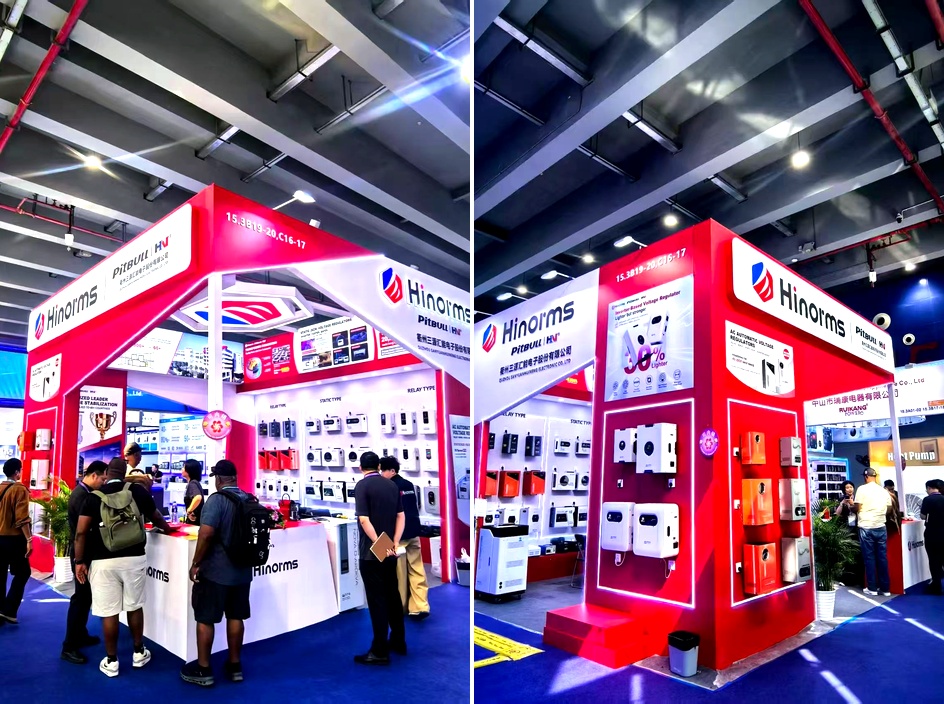
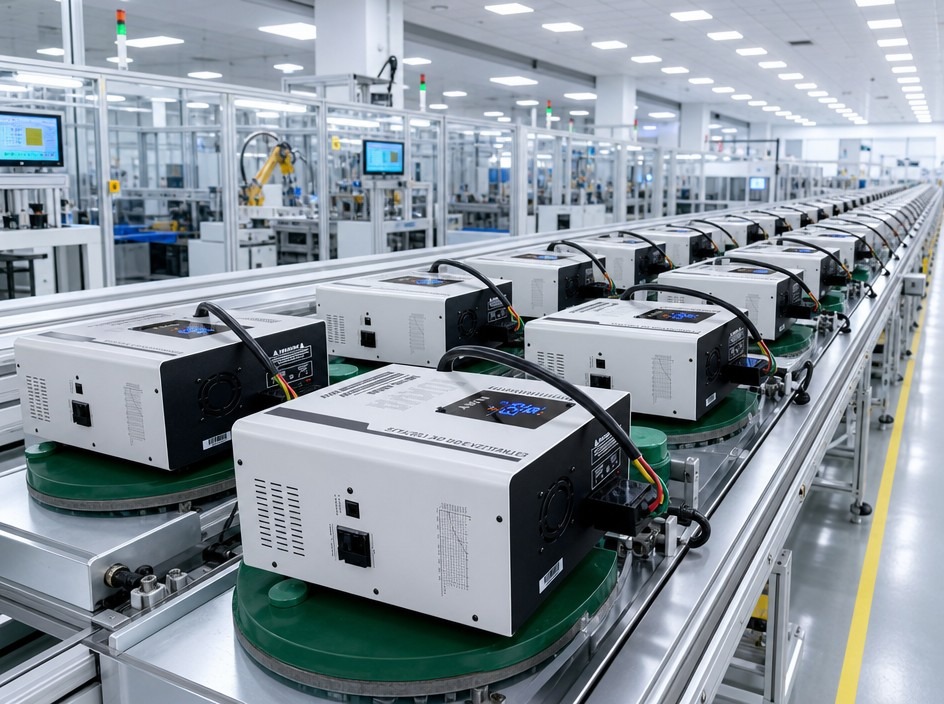
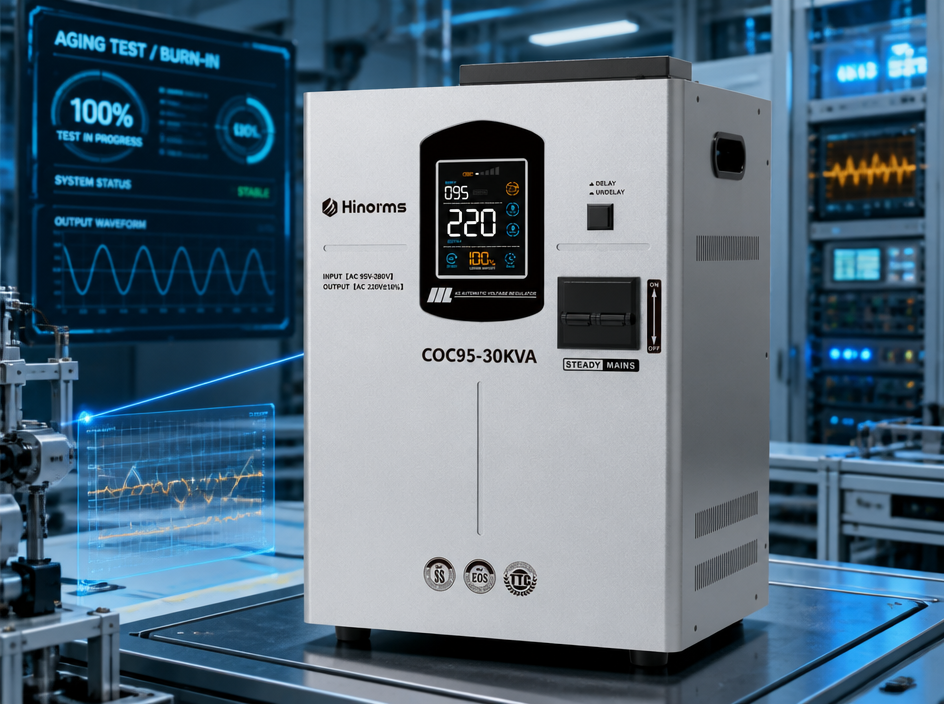
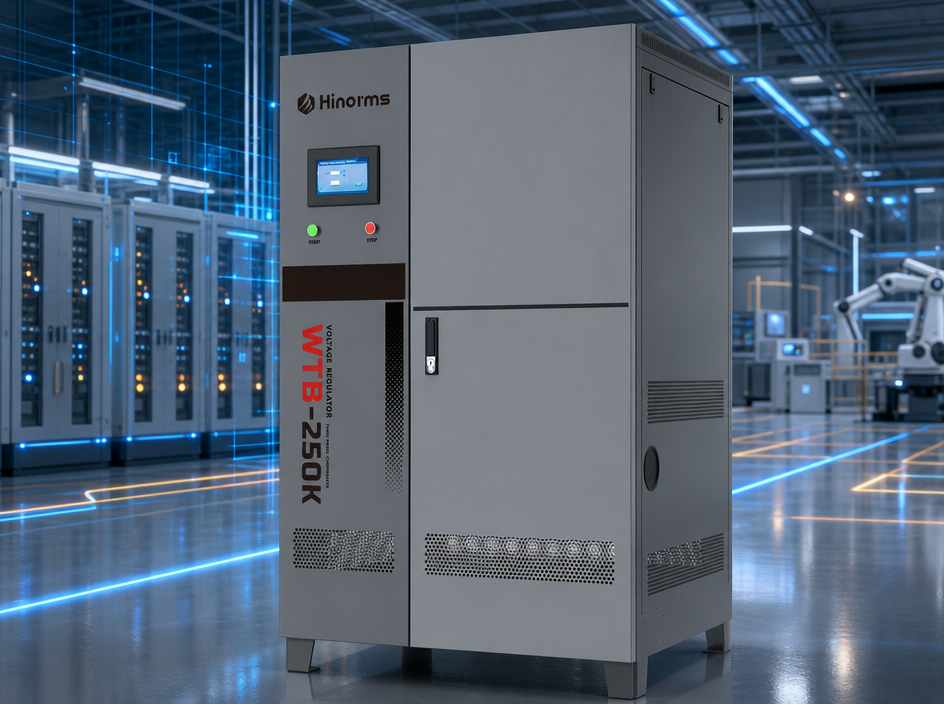
Hinorms specializes in voltage stabilizer manufacturing, offering relay, servo motor, SCR and inverter voltage stabilizer solutions for residential, commercial and industrial applications.
With different capacity options, customized voltage specifications and OEM/ODM support, Hinorms helps global distributors provide reliable voltage protection solutions for air conditioners and other high-power equipment.
For distributors looking to expand their voltage stabilizer product portfolio, choosing the right manufacturer is an important step toward long-term market growth.