Leave Your Message
0%

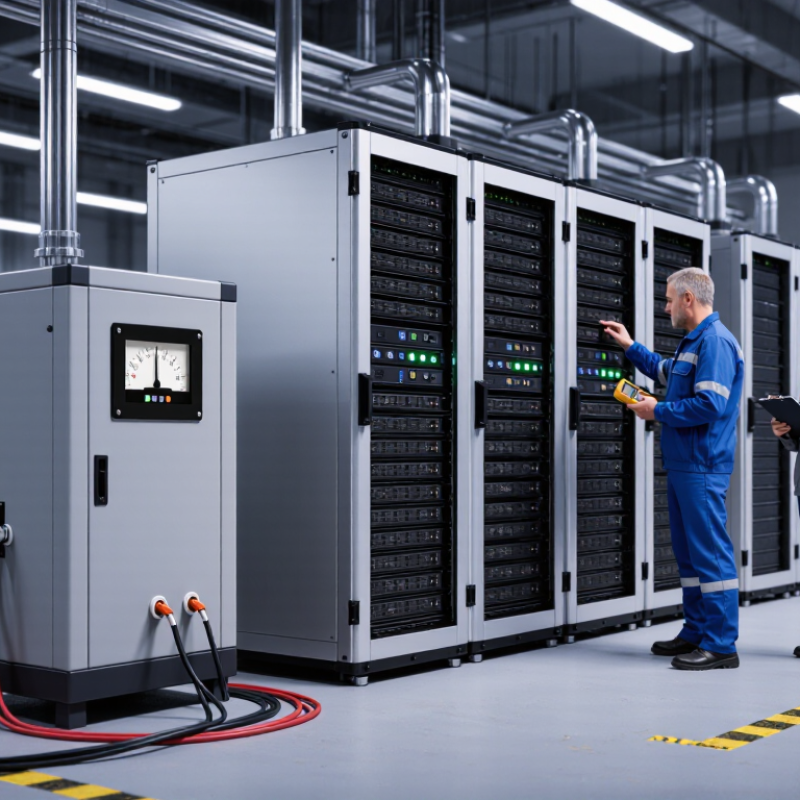
You know, a steady electrical supply often gets taken for granted—until something crazy happens like lights flickering, equipment resetting all the time, or production grinding to a halt. Voltage levels can really fluctuate, especially in places with motors, compressors, heating systems, or long cable runs. And let’s be honest, these little ups and downs can mess with sensitive gear and even compromise how reliably everything runs. That’s where a Central Voltage Stabilizer comes in. It helps keep the incoming voltage more stable and delivers a smoother flow of power to your equipment. Practical? Well, think about control panels, computers, or other electrical assets—they all benefit from some protection against those unpredictable power conditions outside their normal range.

Now, whether you need one really depends on your site. If you’re running a workshop with motors starting and stopping all the time, that’s different from an office full of network gear. Before you pick a stabilizer, it’s a good idea to take a close look at your actual voltage levels, peak loads, how sensitive your equipment is, and the setup of your space. One quick reading isn’t enough—you should monitor things over a period of time to spot patterns that a single test might miss. Getting the sizing right is pretty important too. An undersized stabilizer might struggle when things get busy, and going way oversize can just cost you extra money. Also, keep in mind, a stabilizer isn’t a magic fix for every electrical problem. Proper grounding and protective devices are just as important—and often overlooked.

This guide covers when a Central Voltage Stabilizer is actually useful, how it operates, and what you should check before installing one. We’ll also talk about its limitations. The key? The right choice comes from real, on-site info—not assumptions based on the product’s specs or labels.
Why Do You Need a Central Voltage Stabilizer?

How a Central Voltage Stabilizer Regulates Power

A central Voltage Stabilizer monitors incoming supply and adjusts voltage before electricity reaches circuits throughout a building. When the input rises above its safe range, the unit reduces the output. When voltage drops, it raises it within its rated capacity. This correction happens continuously, helping equipment receive steadier power rather than repeated surges and dips. Inside the unit, sensing and control components compare incoming voltage with a preset target, then direct a transformer or electronic regulator to compensate. The result is more consistent voltage at connected loads. Not magic, though: a stabilizer cannot create power during an outage or correct every wiring fault.

The stabilizer’s response depends on its design, capacity, and the size of each voltage change. For example, lights may flicker when a workshop motor starts and briefly pulls extra current. A properly selected central unit can reduce that fluctuation across multiple circuits. But an undersized unit may struggle under heavy loads. Real installations also vary; cable length and equipment starting currents matter, sometimes more than expected. A qualified technician can measure site conditions and confirm whether the stabilizer’s input range and output rating suit the building.

Tips: Record voltage readings at different times, especially when large appliances start. Check the unit’s rated capacity against the combined load, and leave room for future equipment. Keep ventilation openings clear. If readings remain unstable, investigate the supply and wiring rather than assuming the stabilizer is at fault.

Why Do You Need a Central Voltage Stabilizer? - How a Central Voltage Stabilizer Regulates Power

Supply Condition Illustrative Input Voltage How the Stabilizer Responds Intended Output Why It Matters
Low supply voltage 180 V AC Raises the voltage using its regulating circuit or transformer taps, if the input is within the unit’s operating range. Regulates toward a 230 V AC setpoint. Helps reduce undervoltage exposure for connected equipment designed for the local supply voltage.
Supply near nominal 230 V AC Passes the supply through with little or no correction, depending on the stabilizer’s design. Regulates toward a 230 V AC setpoint. Avoids unnecessary correction when the incoming voltage is already suitable.
High supply voltage 260 V AC Reduces the voltage using its regulating circuit or transformer taps, if the input is within the unit’s operating range. Regulates toward a 230 V AC setpoint. Helps limit sustained overvoltage at the stabilizer’s output.
Voltage outside the rated range Below or above the unit’s specified input limits May disconnect the load, provide an alarm, or fail to maintain the setpoint, depending on the model and protection settings. No guaranteed output regulation. Input limits and protection behavior should be checked before selecting a unit.
Rapid or repeated voltage changes Varies over time Senses changes and adjusts its output; correction speed depends on the stabilizer’s control technology. Regulates toward its configured setpoint within its rated performance. Central regulation can serve multiple downstream circuits when the unit is correctly sized and installed.
Example basis: The voltage values above illustrate a 230 V system and are not performance guarantees. Actual input range, output accuracy, response time, capacity, and protection features vary by stabilizer. A central unit must be sized for the connected load and installed by a qualified electrical professional.

Common Causes of Voltage Fluctuations

Common Causes of Voltage Fluctuations

Voltage changes often begin close to the equipment they affect. When a large motor starts, it can briefly draw heavy current and pull down the voltage on a shared circuit. Welders, compressors, elevators, and air-conditioning units can create similar dips. Loose connections, undersized conductors, and long cable runs may make the drop worse, especially when several loads operate together. The effect can be visible: lights dim for a moment, or a control screen resets.

Utility-side events matter too. Grid switching, faults, lightning, and changing demand can cause brief rises or drops. IEEE Standard 1159-2019 classifies a voltage sag as a reduction to 10–90% of nominal voltage lasting from half a cycle to one minute. That range shows why a fluctuation may be too quick to notice yet still disrupt sensitive equipment. Not every flicker signals a serious fault, though; diagnosis requires measurements at the affected circuit.

A central voltage stabilizer can help when fluctuations are persistent and affect multiple circuits, but it cannot repair damaged wiring or remove the source of every disturbance. Record when dips occur and which loads are running. An electrician or power-quality specialist can compare those observations with logged voltage data. It is easy to blame the utility; sometimes the cause is a tired connection inside the building.

Main Components and Their Functions

Why Do You Need a Central Voltage Stabilizer?

Main Components and Their Functions

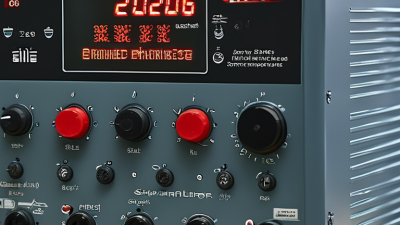
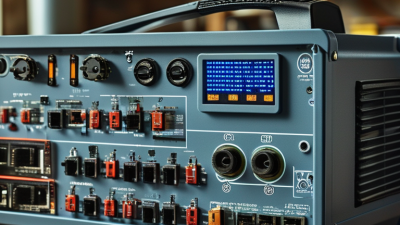
A central voltage stabilizer monitors incoming power and adjusts it when voltage rises or falls beyond a set range. Its sensing circuit checks the supply continuously, much like a watchful meter beside the electrical panel. When voltage shifts, the control circuit decides whether correction is needed. Small details matter. Incorrect settings can cause unnecessary adjustments or leave equipment exposed.

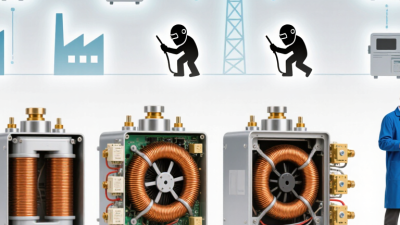
The transformer provides the correction. Depending on its design, the stabilizer changes the output voltage through switched taps or a motor-driven mechanism. A servo motor moves gradually, while a relay-based system switches between preset levels. Each approach has trade-offs: mechanical parts can wear, and rapid switching may create brief interruptions. The exact response depends on the model and load.

Protection devices add another layer of control. Circuit breakers or fuses can disconnect the unit during overloads or internal faults. A display may show input and output voltage, helping an electrician identify patterns rather than guess. Cooling fans or ventilation openings help remove heat, especially under heavy loads. Keep vents clear. Even a well-designed stabilizer cannot fix every power-quality problem, and its capacity must suit the connected equipment. That sizing step is easy to underestimate.

Benefits for Electrical Systems and Equipment

Why Do You Need a Central Voltage Stabilizer?

Electrical systems rarely fail without warning. Flickering lights, buzzing contactors, warm cable joints, and unexplained equipment resets often indicate unstable voltage. In field inspections, these symptoms frequently appear near long feeders, overloaded transformers, or areas with rapidly changing loads.

A central voltage stabilizer regulates incoming power before it reaches sensitive circuits. A Low Voltage Stabilizer can help maintain steadier output for control panels, medical devices, servers, motors, and precision instruments. Stable voltage reduces thermal stress on transformers and improves motor starting performance. It may also lower nuisance trips and unplanned interruptions. However, stabilization is not a cure for poor grounding, overloads, or harmonic distortion. That limitation matters. The wrong unit can create false confidence.

EN 50160 defines supply-quality characteristics for public low-voltage networks, including voltage variation limits. The Uptime Institute’s Annual Outage Analysis 2024 reported that 54% of respondents experienced outages costing more than 100,000 dollars. Not every outage comes from voltage problems, but the financial exposure is clear. A properly engineered stabilizer can protect equipment value and operational continuity. The design still needs measured data, not guesswork.

Tips: Record voltage at peak and off-peak hours for at least seven days. Check phase imbalance, load growth, inrush current, and bypass behavior. Ask for test records aligned with applicable IEC requirements. Review the readings again after installation. Field conditions change.

Why Do You Need a Central Voltage Stabilizer?

For a 230 V low-voltage system, the IEC 60038 public supply voltage range is commonly specified as approximately 207–253 V, equivalent to ±10% of nominal voltage. A central voltage stabilizer helps reduce these fluctuations and maintain a more consistent voltage for connected equipment. The actual regulated output range depends on the stabilizer design and installation conditions.

Reference: IEC 60038 nominal voltages for low-voltage public electricity supply systems.

Typical Applications of Central Voltage Stabilizers

Central voltage stabilizers help protect shared electrical systems when incoming power rises, falls, or fluctuates. In apartment buildings, clinics, workshops, and offices, one unit can support several circuits. A 5kw Voltage Stabilizer suits smaller, carefully measured loads, such as diagnostic equipment, control panels, or office servers. The rating must match actual demand, not a hopeful estimate. That mistake happens more often than expected.

In clinics, stabilizers help keep laboratory analyzers, refrigeration controls, and imaging accessories within their operating range. Workshops use them for CNC controls, measuring instruments, and sensitive welding electronics. Offices may connect them to server racks, access systems, and communication equipment.

During a site inspection, technicians should record voltage at different hours, especially when motors start. A single afternoon reading can mislead. It did in one installation I reviewed.

Central units also serve schools, retail buildings, and remote facilities with long supply lines. They reduce stress on connected equipment, but they cannot correct undersized wiring or poor earthing. Qualified electricians should verify load balance, bypass arrangements, ventilation, and protection settings. Installation should follow local electrical codes and technical specifications. Maintenance includes cleaning air paths and checking terminals for heat marks. The right application depends on measured conditions, equipment sensitivity, and realistic expansion plans.

Factors to Consider When Choosing and Installing One

Choosing a central voltage stabilizer starts with measuring the supply, not guessing from flickering lights. ANSI C84.1-2020 places 240-volt service voltage in Range A at 228–252 volts. A qualified electrician can log voltage during busy and quiet periods, then compare readings with equipment requirements. One afternoon of measurements may miss seasonal or overnight swings.

Match the stabilizer to the total load, starting current, phase, and expected expansion. A Voltage Stabilizer 240v unit should also suit the installation’s wiring, ventilation, and available space. Check its response time, overload rating, protection features, and whether maintenance bypass is available. IEC 61000-4-30 describes methods for measuring power-quality parameters, including voltage variation; consistent measurement makes supplier specifications easier to assess. Keep the panel accessible. Heat needs somewhere to go.

Installation quality matters as much as capacity. Ask a licensed electrical professional to confirm conductor sizing, earthing, protective devices, and coordination with existing equipment. Request commissioning readings under realistic load, plus clear records of settings and test results. A stabilizer cannot correct every problem: persistent low voltage, loose connections, or distorted waveforms may need separate investigation. I would not size one from a single nameplate total; motor startup and simultaneous loads complicate that calculation.

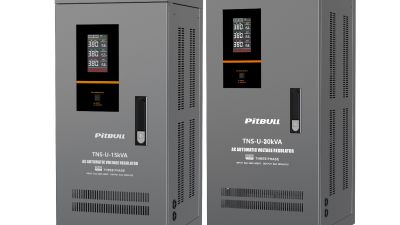
Three-Phase Servo Motor Voltage Regulation: A Practical Guide to the TNS-U Series

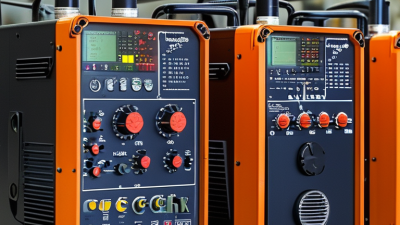
Three-phase servo motors rely on stable voltage to operate smoothly, especially in facilities with heavy-duty equipment and multiple electrical systems. Fluctuations across the supply can affect motor performance and place unnecessary strain on connected loads. A compensated voltage regulator helps correct variations, keeping the output more consistent as demand changes. For high-capacity applications, this approach can support centralized power distribution in industrial sites, commercial facilities, and premium residences.

When selecting a regulator, assess the system’s three-phase supply, total connected load, and expected demand peaks. The unit should be suited to the capacity of the equipment it will serve, with enough allowance for the combined requirements of motors and other connected systems. Proper installation and routine checks also help maintain dependable operation. By matching regulator capacity to the application, users can provide more consistent voltage for servo motors and other heavy-duty equipment while supporting reliable performance throughout the electrical system.

FAQS

What commonly causes voltage fluctuations inside a building?

Large motors, welders, compressors, elevators, and air-conditioning units can cause short voltage dips. Lights may dim briefly.

How can wiring make voltage drops worse?

Loose connections, undersized conductors, and long cable runs increase voltage drop. Several active loads can intensify it.

Can utility events cause voltage changes?

Yes. Grid switching, faults, lightning, and changing demand may create brief rises or drops. Not every flicker means serious damage.

What is a voltage sag?

A voltage sag is a temporary reduction in supply voltage. It may last only part of a cycle or continue for up to one minute. Quick events still matter.

Why might sensitive equipment reset during a brief dip?

Control screens and electronic systems may react before people notice the change. A momentary dip can interrupt their operation. The screen goes dark.

When can a central voltage stabilizer help?

It can help when persistent fluctuations affect several circuits. It monitors incoming power and adjusts the output voltage. It is not a magic fix.

What are the main parts of a central voltage stabilizer?

Common parts include a sensing circuit, control circuit, transformer, protection devices, display, and cooling system. Each part has a separate role. Small settings matter.

How does the transformer correct voltage?

It changes output voltage through switched taps or a motor-driven mechanism. Relay systems switch preset levels, while servo systems move gradually. Both have trade-offs.

Can a voltage stabilizer repair damaged wiring?

No. It cannot remove loose connections, poor conductor sizing, or every external disturbance. Finding the source remains necessary. Guessing can mislead.

How should voltage fluctuations be investigated?

Record when dips occur and which loads are running. Compare those notes with logged voltage measurements from the affected circuit. An electrician can interpret the pattern. Measure before replacing equipment.

Conclusion

A Central Voltage Stabilizer helps maintain a steady electrical supply by detecting changes in incoming voltage and adjusting the output to a safe, consistent level. Voltage fluctuations can result from overloaded networks, long transmission lines, unstable utility supplies, sudden changes in demand, or the operation of heavy machinery. Its main components typically include a sensing circuit, control system, voltage-adjusting mechanism, protective devices, and a bypass or monitoring function. Together, these parts regulate power and respond quickly to abnormal conditions.

By reducing overvoltage, undervoltage, and related disturbances, a Central Voltage Stabilizer can improve equipment reliability, reduce maintenance needs, and extend the service life of electrical systems. It is commonly used in factories, commercial buildings, data centers, laboratories, healthcare facilities, and large residential properties. When selecting and installing one, users should consider the total load, voltage range, response speed, installation environment, protection features, maintenance requirements, and future expansion needs. Proper sizing and professional installation are essential for safe and effective performance.
Ethan

Ethan

Ethan is a dedicated marketing professional with a deep understanding of the technology sector, particularly in the realm of voltage regulators and intelligent power solutions. With over a decade of experience, he is passionate about highlighting the innovative products designed and manufactured by......
Previous What Is the Best Servo Voltage Stabilizer from China?