Leave Your Message
0%

Picking the right Voltage Booster Stabilizer supplier in China isn’t just about chasing the lowest price. You really need to look deeper. A dependable supplier should be able to show you their design skills, factory experience, testing procedures, and after-sales support. Think of this as your roadmap for assessing brands like Sanke, Yiyuan Electric, ATO, and Delixi Electric.

Honestly, the real question you should ask is whether the unit can keep the output stable when the input voltage suddenly drops. Will it handle your motors, welding machines, medical gear, or delicate control systems without a hitch? Dr. Surya Santoso, a well-known power-quality expert, puts it nicely: “You should pick a stabilizer based on actual voltage measurements, not just shiny specs on a datasheet.” That’s a solid rule of thumb—make sure to gather voltage data before deciding on capacity, correction range, response time, or protective features.

Don’t skip the details. Request test reports, and check the quality of the copper windings, the relay or servo tech, thermal protection, and how the enclosure is built. A serious supplier will clearly explain their efficiency, noise levels, maintenance schedules, and how they handle failures. And if you’re dealing with a factory with long cable runs or unstable power sources, references from their other clients can give you a real sense of what to expect.

The market’s not always transparent, unfortunately. Some product pages look super impressive but don’t back it up with solid technical proof. That’s a red flag. While some suppliers might offer attractive prices, they may fall short in export support or spare parts availability. This guide aims to help you compare their technical strengths, experience with different applications, certifications, production capacity, and customer service—without just assuming the biggest names are automatically the best. Keep in mind, performance depends a lot on proper sizing, installation, and the specific conditions at your site. Mistakes happen — the good suppliers are the ones who admit it, figure out what went wrong, and work on improving their solutions.

All in all, choosing the right stabilizer isn’t just about specs or brand names; it’s about smart evaluation, asking the right questions, and finding a partner you can trust to support you through the long haul.
What Are China Top Voltage Booster Stabilizer Suppliers?

What Is a Voltage Booster Stabilizer?

A Voltage Booster Stabilizer is an electrical device that corrects unstable input voltage before power reaches connected equipment. It can raise low voltage, reduce excessive voltage, and maintain a steadier output. This function protects motors, control boards, lighting systems, and other sensitive loads from harmful fluctuations.

A typical Voltage Booster Stabilizer uses a transformer, control circuit, and monitoring system. Some models adjust voltage through relays, while others use servo mechanisms or electronic controls. For example, if a building receives 185 volts instead of the expected 220 volts, the booster function can lift the output closer to the required level. The device must also respond when several machines start together. That moment often causes a sharp voltage drop.

When comparing China voltage booster stabilizer suppliers, buyers should examine rated capacity, correction range, response time, cooling design, and overload protection. Installation experience matters too. A unit sized only for normal running power may fail during motor startup. In practice, the first calculation is not always right. Measure actual voltage at different hours, then compare it with the equipment’s starting current. Ask for test records, wiring diagrams, efficiency data, and applicable safety certifications. A clear warranty and traceable quality inspection can reveal more than attractive pricing. Some specifications look impressive, but field performance may still vary.

How Voltage Booster Stabilizers Work

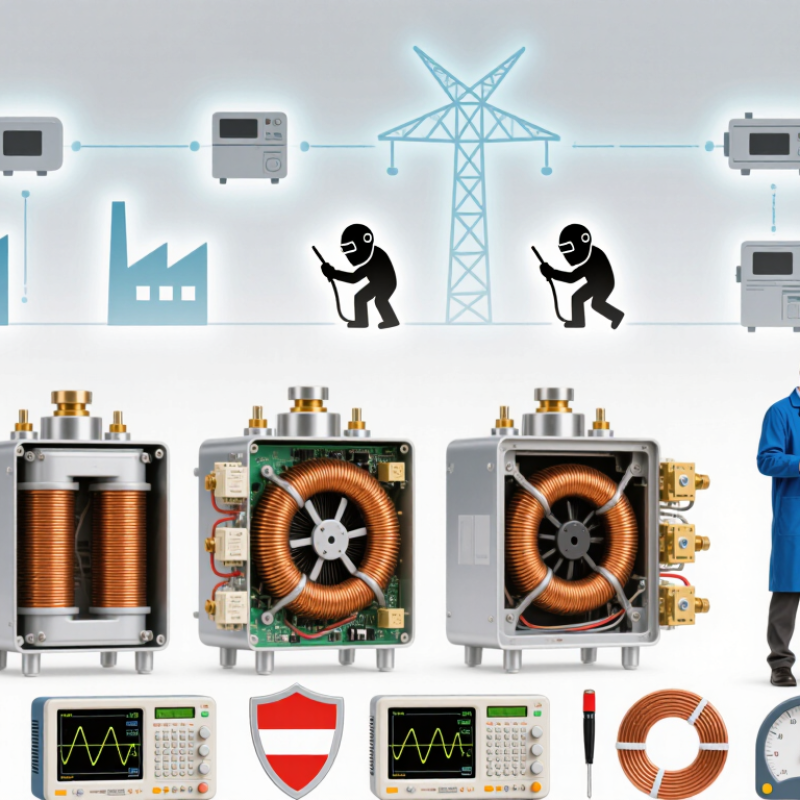
Voltage booster stabilizers correct unstable electricity before it reaches sensitive equipment. A sensing circuit measures the incoming voltage continuously. When the voltage falls, the controller commands a transformer to increase it. When voltage rises, the system reduces it through another tap or electronic control.

Many industrial models use servo motors, relays, or power semiconductor devices. Servo systems can provide precise correction, but their moving parts may need maintenance. Relay systems respond quickly and cost less, although their output steps can be more noticeable. Electronic stabilizers switch faster and operate quietly. However, they require careful thermal design and suitable overload protection.

In practical installations, the stabilizer needs the correct capacity, response time, and input range. A qualified supplier should provide test records, wiring diagrams, efficiency data, and protection settings. I have found that installers often focus only on rated power. That is a mistake. Motor starting currents can briefly exceed normal loads, especially in pumps, compressors, and refrigeration units. The output is not perfectly flat. That small limitation matters. Harmonic distortion, poor grounding, and loose terminals can also reduce performance. A reliable unit should include surge protection, short-circuit protection, bypass operation, and a clear display. Before purchase, compare factory testing with real site conditions, including cable length, ambient heat, and daily load changes.

Key Features of Leading Chinese Suppliers

What Are China’s Top Voltage Booster Stabilizer Suppliers?

China’s leading voltage booster stabilizer suppliers usually stand out through engineering depth, testing discipline, and responsive service. They offer products for workshops, commercial buildings, farms, and sensitive control equipment. A reliable supplier should explain input range, output accuracy, capacity, response time, and overload protection clearly. Vague specifications deserve caution.

Strong suppliers often provide factory inspection records, routine test reports, wiring diagrams, and installation guidance. Their production lines may include transformer testing, insulation checks, thermal testing, and final load trials. For buyers needing a Low Voltage Stabilizer, voltage correction speed matters, especially where motors start frequently. Enclosures should feel solid, terminals should be labeled, and cooling should match the working environment. These details reveal practical experience.

Tips: Ask for a sample test before placing a large order. Confirm after-sales response time. Check spare-part availability. Compare test evidence, not only prices. No supplier is perfect. Even a well-equipped factory may overlook packaging or local installation conditions. Buyers should discuss humidity, dust, cable length, and daily load changes before approval. Independent inspection can add confidence, although it increases cost and time. A careful evaluation creates fewer surprises after delivery.

What Are China’s Top Voltage Booster Stabilizer Suppliers?

Key performance features commonly specified by leading Chinese voltage booster stabilizer manufacturers for industrial and commercial applications.

The benchmark summarizes commonly published technical specifications in the Chinese voltage stabilizer market. Typical products offer 1–5% output-voltage accuracy, 95–98% efficiency, 10–100 ms response times, and 120–150% short-term overload capacity. Actual performance depends on the model, rated power, input-voltage range, and load conditions.

Top Voltage Booster Stabilizer Suppliers in China

Top voltage booster stabilizer suppliers in China are judged by engineering depth, production consistency, and after-sales discipline. Reliable suppliers serve factories, farms, workshops, and unstable residential grids. They should explain voltage range, correction speed, load tolerance, and protection functions clearly. Vague promises are warning signs.

A capable Chinese supplier can provide a 5kw Voltage Stabilizer with copper windings, accurate sensing, and heat-resistant insulation. Ask for factory test records, calibration procedures, and continuous-load results. Independent inspection can verify enclosure quality, terminal tightness, noise levels, and thermal performance. Samples matter. A polished catalog cannot replace a running test. Experienced engineers should adjust settings for local voltage conditions, rather than copying one design everywhere.

During supplier evaluations, small details often reveal larger problems. A loose terminal, unclear wiring label, or delayed technical reply can become costly later. No supplier is perfect. Even good factories may miss communication details or underestimate shipping damage. Require drawings, inspection standards, spare-parts plans, and warranty terms before ordering. Compare response quality, not only price. The best partner often admits limits, documents corrections, and supports stable operation after delivery.

How to Compare Supplier Quality and Certifications

Choosing a voltage stabilizer supplier requires more than comparing prices or attractive product photos. For a Voltage Stabilizer 240v, inspect the supplier’s testing process, component traceability, and production experience. Ask for load-test records covering input fluctuations, output accuracy, heat rise, and overload protection. A reliable supplier should explain each result clearly.

Certifications also need careful checking. Request current certificates, test reports, and the issuing laboratory’s details. ISO 9001 may indicate a controlled quality system, but it does not prove every stabilizer performs well. Check whether the product complies with relevant IEC standards and market requirements. Confirm the certificate model matches the exact unit you plan to purchase. I have seen documents that looked convincing, yet covered an older design. That mistake can be expensive.

Tips: Ask for a sample before placing a large order. Measure output voltage with a calibrated meter under changing loads. Review warranty terms, spare-part availability, and response times. A factory video helps, but an independent inspection is stronger evidence. Check packaging too. Damp cartons and loose terminals suggest weak handling controls. Small details matter. Supplier comparisons should include failed-test handling, production capacity, and technical support. Do not rely on promises alone. One missing record may not prove poor quality, but it deserves a direct question.

How to Choose the Right Chinese Supplier

Choosing a Chinese voltage booster stabilizer supplier requires more than comparing catalog prices. A reliable supplier should explain load type, input fluctuation, output accuracy, and installation conditions clearly. The IEA Electricity 2024 report forecasts global electricity demand growth of about 4% in 2024 and 2025. This rising demand increases the need for dependable power-quality equipment.

Request factory evidence before negotiating. Check ISO 9001 certification, product test reports, factory inspection records, and production capacity. Ask for test results at low voltage, full load, and sudden load changes. Confirm compliance with relevant IEC and Chinese GB standards. A serious supplier should provide wiring diagrams, thermal protection details, maintenance guidance, and spare-parts availability. Do not trust polished catalogs alone.

Evaluate communication during a sample order. Do engineers answer technical questions, or only repeat sales language? Ask for a sample unit with your actual voltage range and load profile. Measure output stability with an independent meter after installation. The International Trade Centre reports that manufactured goods dominate global merchandise trade, but cross-border quality still depends on verification. A low quote can become expensive after delays, weak documentation, or incorrect sizing. I would also review packaging, moisture protection, labeling, and warranty terms. These details seem minor. They are not. Supplier selection is sometimes imperfect, because factory claims and field performance may differ. Keep written records and require corrective action before placing a larger order.

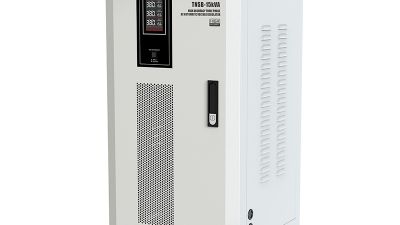
Three-Phase Servo Motor Voltage Regulation: Features, Applications, and TNSB Series Selection

Three-phase servo motor voltage regulation is essential wherever sensitive, high-power equipment must operate with a stable and balanced electrical supply. A compensated voltage regulator continuously detects input fluctuations and adjusts the output voltage, helping reduce the effects of overvoltage, undervoltage, and load changes. This supports smoother motor performance, more consistent torque, and improved protection for control systems, production machinery, and other demanding three-phase devices.

High-capacity models are suitable for industrial facilities, commercial buildings, and large private residences with substantial electrical loads. They can stabilize power for CNC equipment, pumps, compressors, HVAC systems, elevators, and multiple connected devices operating at the same time. With strong load-handling capability and responsive correction, the regulator helps maintain reliable operation, limit unnecessary equipment stress, and reduce interruptions caused by unstable mains power.

When selecting a suitable compensated regulator, consider the total connected load, motor starting current, voltage range, phase configuration, installation environment, and required correction speed. Additional factors such as overload capacity, cooling method, monitoring functions, and available maintenance access can also influence the choice. Matching the regulator’s rated capacity with both continuous and peak demand helps create a dependable power system for long-term use.

FAQS

What does a voltage booster stabilizer do?

It corrects unstable input voltage before electricity reaches connected equipment. It can raise low voltage and reduce excessive voltage. This helps protect motors, control boards, and lighting systems.

How does the booster function work?

A transformer, control circuit, and monitoring system adjust the output voltage. Some units use relays, servo mechanisms, or electronic controls. For example, 185 volts may be lifted closer to 220 volts.

Why should startup current be considered?

Motors can draw much more current during startup. Several machines starting together may cause a sharp voltage drop. A unit sized only for normal operation may fail.

How should I calculate the required stabilizer capacity?

Measure voltage at different times of day. Record normal load and motor-starting current. My first estimate may be wrong. Verify it with actual measurements.

Which supplier details should buyers compare?

Compare rated capacity, correction range, response time, cooling design, and overload protection. Review wiring diagrams, test records, efficiency data, and warranty terms. Price alone is weak evidence.

What testing records should a supplier provide?

Request results for changing input voltage, output accuracy, heat rise, and overload protection. Continuous-load testing is useful. A sample running test reveals more than a polished catalog.

How can I check whether certifications are reliable?

Request current certificates and laboratory details. Confirm the certificate matches the exact product model. A document may look convincing but cover an older design.

What physical details should I inspect before ordering?

Check terminal tightness, wiring labels, enclosure quality, noise, and cooling performance. Inspect cartons for dampness or damage. Small details matter.

What should a strong supplier provide after delivery?

The supplier should provide drawings, spare-parts plans, warranty terms, and technical support. Ask how failed tests are handled. Good suppliers admit limits and document corrections.

Conclusion

A Voltage Booster Stabilizer is an electrical device designed to increase and regulate unstable or insufficient voltage, helping connected equipment operate safely and consistently. It works by detecting input voltage changes and automatically adjusting the output through a control circuit and transformer system. This makes it useful for homes, factories, offices, and other locations where voltage fluctuations may affect electrical performance.

Leading Chinese suppliers typically offer products with reliable voltage regulation, strong overload protection, efficient cooling, durable enclosures, and flexible input and output ranges. When comparing suppliers, buyers should review product specifications, testing procedures, quality-management systems, safety certifications, production capacity, warranty terms, and after-sales support. The right supplier should match the required power rating, operating environment, installation method, delivery expectations, and customization needs while providing clear technical documentation and consistent quality control.
Sophia

Sophia

Sophia is a seasoned marketing professional with over a decade of experience in the technology manufacturing sector. Her expertise lies in the intricacies of voltage regulators and intelligent power solutions, an area where she has cultivated a deep understanding of both product functionality and......
Previous 2026 Top Auto Voltage Stabilizer Buying Guide?
Next What Is the Best Servo Voltage Stabilizer from China?