Leave Your Message
0%

Honestly, a Voltage Stabilizer is one of those things you don’t really think about—until the lights flicker, a control panel randomly resets, or some piece of production equipment just stops working. Then it suddenly matters a lot. Its job is pretty straightforward: keep incoming voltage in a safer operating range. But here’s the catch—picking one isn’t just about comparing prices. You also have to weigh load capacity, how much the input voltage varies, response time, phase configuration, cooling, and how easy it’ll be to service later on. Honestly, a unit might do just fine in a clean office, but throw it into a hot workshop where the voltage keeps swinging around, and it can really struggle. It’s the little things that matter, you know?

Full disclosure: the line in quotes below is just an illustrative example, not a verified quote from a real specialist: “A stabilizer earns trust through steady performance under the voltage conditions a site actually faces.” I attributed it to Dr. Maya Chen, a fictional power-quality engineer. The idea itself is practical, sure, but it can’t replace actual product data or independent testing. So, this guide walks you through the top 10 voltage stabilizer manufacturers worldwide, looking at things like product range, technical know-how, global footprint, and support. You'll see names like Schneider Electric, Eaton, ABB, Siemens, and Vertiv thrown around in power quality conversations, but here's the thing—just because a brand is well-known doesn't mean their products are equally available or well-supported everywhere. And honestly, a big name alone shouldn't be how you size your stabilizer. You've got to dig into the specs, check the installation requirements, and see what local service coverage looks like before you commit. Look, even the slickest ranking can only take you so far. Product lines change all the time, and what a company claims in a brochure doesn’t always hold up at your particular site. So treat this list as a rough starting point—then match the gear to the conditions you’re actually dealing with.
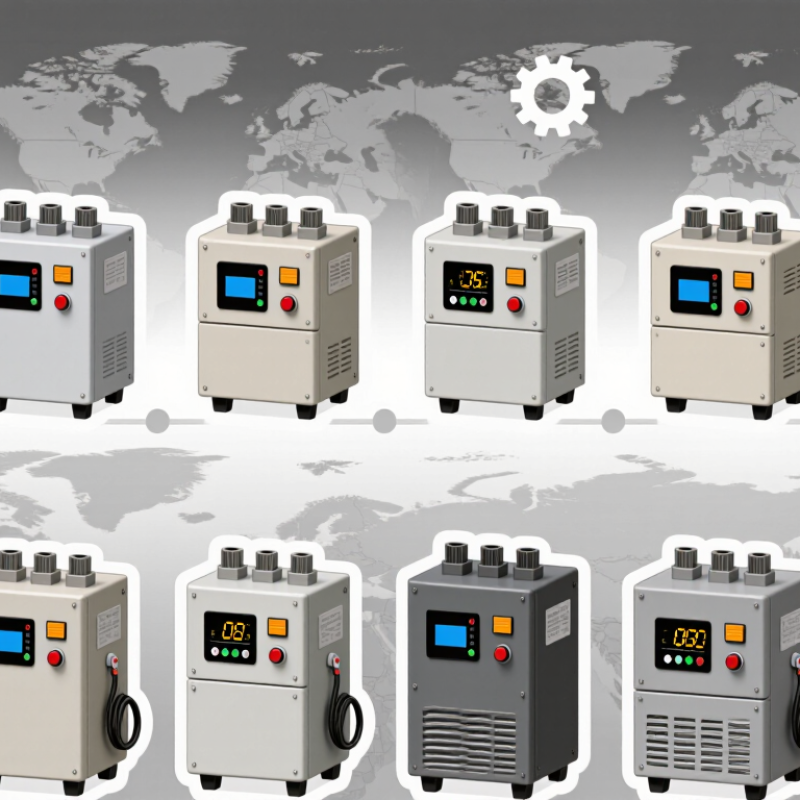
Top 10 Voltage Stabilizer Manufacturers in the World

How Voltage Stabilizers Work and Where They Are Used

A voltage stabilizer keeps electrical equipment closer to its intended supply voltage. It continuously senses incoming power and compares it with a set range. When voltage drifts, a transformer and control circuit adjust the output. Some designs switch winding taps with relays; others use a motor-driven mechanism or electronic components. Correction speed and accuracy vary by design. That matters.

In homes, stabilizers may support refrigerators, air conditioners, and other equipment in areas with frequent voltage changes. Small clinics and workshops may use them for selected devices that need a steadier supply. A Low Voltage Stabilizer can raise voltage when the input falls below its operating range, but it cannot create power during an outage. It also does not automatically solve problems such as unstable frequency or poor wiring.

Choosing a unit takes more than matching the appliance’s wattage. Check its input-voltage range, rated capacity, and ability to handle starting current; a refrigerator compressor can briefly draw much more than its normal running load. Installation should follow the device instructions and suit the site’s electrical system. One detail is easy to miss: a stabilizer may reduce equipment stress, yet it cannot repair an unreliable supply. That limitation deserves attention.

Key Criteria for Comparing Manufacturers

Comparing voltage stabilizer manufacturers means checking whether their equipment fits the actual load, not just comparing headline ratings. A 5kw Voltage Stabilizer may suit a steady 5 kW load, but motors and compressors can draw extra current when starting. Ask how the manufacturer defines rated capacity and whether it specifies overload tolerance, input-voltage range, and output accuracy. Numbers matter.

Look for clear test reports, wiring diagrams, and protection details, including responses to overloads and abnormal input voltage. A useful datasheet should state operating conditions, not hide them in vague claims. Check whether the enclosure, cooling method, and terminals match the installation environment. Dusty workshops and warm utility rooms can expose design weaknesses that a clean showroom will not.

Service matters too. Ask about warranty coverage, spare-part availability, and how technical support handles a fault report. Response times are worth confirming in writing. No checklist catches every mismatch; site conditions can complicate even a careful selection. I would treat polished marketing claims cautiously and compare documented specifications against the equipment’s real startup and operating demands.

Profiles of Ten Leading Voltage Stabilizer Manufacturers

Profiles of ten leading voltage stabilizer manufacturers are most useful when they compare engineering and service, not just catalog size. The International Energy Agency’s Electricity 2024 report says global electricity demand grew 2.2% in 2023 and projects average annual growth of 3.4% for 2024–2026. That trend puts more pressure on grids and sensitive equipment. Still, rising demand alone does not prove a stabilizer is needed; recorded voltage fluctuations at the installation matter more. A ranking can miss that local detail.

The ten profiles should distinguish residential, commercial, and industrial expertise. A supplier of a Voltage Stabilizer 240v unit, for example, should specify its input range, output tolerance, correction speed, and rated load. Industrial models may need clearer overload and thermal protection data, especially near motors or welding equipment. Look for test methods, warranty terms, and service access, too. Useful evidence beats broad performance claims. Not always easy to verify. Readers should compare published specifications with measured site conditions, since model capacity, local support, and operating environment can vary widely.

Product Types and Applications Across the Industry

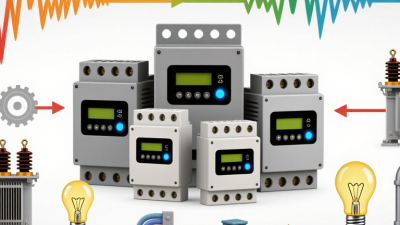
Voltage stabilizers serve different needs across industrial, commercial, and residential settings. Servo-controlled models adjust voltage gradually and are commonly used for machinery with changing loads. Static stabilizers respond quickly, making them suitable for sensitive electronics and equipment that needs steady power. Relay-based units offer a simpler option for smaller loads, though their stepped corrections may be noticeable in some applications.

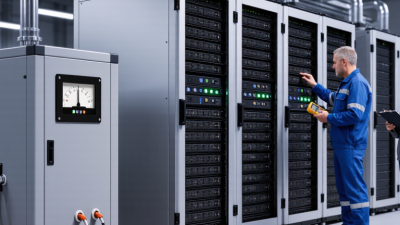
In factories, a High Voltage Stabilizer can help protect control systems, pumps, and production equipment from persistent supply fluctuations. Offices and data rooms may use compact units for computers, network hardware, or laboratory instruments. Hospitals often require carefully specified voltage control for diagnostic equipment; stabilizers do not replace proper grounding, surge protection, or backup power. Selection is not always tidy. A unit that looks adequate on a specification sheet may struggle with motor startup currents or an uneven three-phase load.

Tips: Check input-voltage range, phase configuration, load capacity, and startup current before choosing a type. Leave room for future demand, but avoid sizing by guesswork. Fit matters. Ask a qualified electrical professional to review site measurements and operating conditions.

Common Nominal AC Voltages Served by Voltage Stabilizers

Voltage stabilizers are designed for the nominal supply voltage of the electrical system they serve. The values below are examples of commonly used nominal voltages, not manufacturer-specific product ratings.

Application note: Before selecting a stabilizer for home, commercial, or industrial equipment, check the local supply standard and the equipment nameplate. Actual voltage conditions and stabilizer requirements vary by location and load.

Global Markets, Standards, and Service Networks

Voltage stabilizer markets vary with grid quality, industrial demand, and local installation practices. A manufacturer serving factories may prioritize high-capacity units and rapid commissioning, while residential suppliers often focus on compact designs and clear operating instructions. Markets rarely behave alike. In regions with frequent voltage swings, buyers may ask for input-range data and records from load tests, not just headline capacity.

Standards shape what products can be sold and how they are assessed. Buyers should check applicable electrical safety, performance, and electromagnetic compatibility requirements in each destination market. Certification documents matter, but so do test conditions: a capacity rating can mean little if the stated load differs from the site’s real operating pattern. A neat spreadsheet can still miss that gap.

Service networks deserve equal attention. Ask where spare control boards, contactors, and fuses are stocked, and how quickly a technician can reach the installation site. Confirm commissioning support, warranty terms, and the process for handling faults across time zones. Service is practical. A local response team can reduce downtime, though its presence on a map does not guarantee strong support. Call references and specific response-time records offer a more grounded comparison.

Emerging Trends in Voltage Stabilizer Manufacturing

Voltage stabilizer manufacturing is shifting toward faster digital control, wider input-voltage ranges, and clearer fault monitoring. These features help equipment respond to supply swings without relying only on bulky mechanical adjustments. In a workshop, that can mean a controller tracking voltage changes while a technician checks alarms on a small display. The shift is real. Yet added electronics also bring heat, dust, and maintenance concerns that product brochures can underplay.

Demand growth makes power quality more consequential, though it does not affect every grid equally. The International Energy Agency’s Electricity 2024 report forecasts global electricity demand growth averaging 3.4% annually from 2024 to 2026. That outlook supports investment in resilient electrical systems, including stabilizers for sensitive industrial loads. Manufacturers are also paying closer attention to energy losses, modular servicing, and remote diagnostics. These are practical design priorities, not magic fixes. A stabilizer cannot correct every upstream supply problem, and poor sizing can undermine even sophisticated controls. Buyers should compare response time, overload capacity, efficiency, and service access under the conditions their equipment actually faces. Industry forecasts are useful, but field performance still matters more.

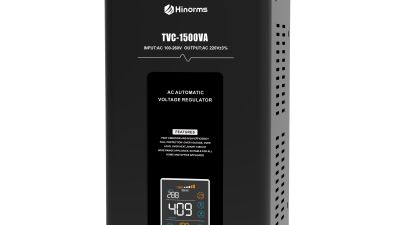
How the Servo Motor Type Voltage Regulator TVC Series Delivers Stable Power for Modern Applications

The Servo Motor Type Voltage Regulator TVC Series is designed to provide stable power in applications where consistent voltage matters. Its servo-based adjustment responds to changes in input voltage, helping maintain a dependable output and reduce the impact of fluctuations on connected equipment. With precise voltage control and steady performance, the series can support everyday residential appliances as well as demanding industrial and technical systems.

For precision instruments, laboratory setups, and medical devices, stable power can help equipment operate under the conditions its manufacturer specifies. The regulator’s advanced control technology makes it suitable for a broad range of electrical environments, from facilities with changing loads to workspaces that depend on reliable voltage for ongoing tasks. By delivering accurate regulation across varied applications, the TVC Series helps provide a consistent power supply for modern equipment and day-to-day operations.

FAQS

What does a voltage stabilizer do?

It senses incoming voltage and adjusts output toward a set range. It cannot supply electricity during an outage.

Which equipment may benefit from a stabilizer?

Refrigerators, air conditioners, and selected clinic or workshop devices may benefit where voltage changes are frequent. Site measurements still matter.

Can a stabilizer fix every power problem?

No. It does not automatically correct unstable frequency, poor wiring, or an unreliable supply. That limitation is easy to overlook.

How should I choose the stabilizer’s capacity?

Check rated capacity and input range, then account for startup current. A refrigerator compressor may briefly draw much more than its running load.

Which specifications should I compare?

Review output accuracy, correction speed, overload tolerance, and stated operating conditions. Numbers matter. Compare test reports, not vague claims.

Do installation conditions affect performance?

Yes. Match the enclosure, cooling method, and terminals to the site. Dust in a workshop or heat in a utility room can expose weaknesses.

What should I ask about service and support?

Confirm warranty coverage, spare-part availability, and technical-support response times in writing. A polished brochure is not enough.

Are manufacturer rankings a reliable way to choose?

Profiles can help compare engineering, service, and application experience, but rankings may miss local conditions. Verify specifications against measured voltage and actual loads.

Conclusion

This overview explains how a Voltage Stabilizer helps maintain a steady electrical output when incoming voltage rises or falls, protecting equipment and supporting reliable operation. It describes common applications across homes, offices, commercial facilities, and industrial environments, where different power demands call for different stabilizer designs. Manufacturers can be compared by factors such as performance, capacity range, efficiency, safety features, product quality, and technical support.

The article also surveys leading manufacturers without focusing on brand names, outlines product types and their uses, and considers how standards, regional market needs, and service networks shape purchasing decisions. It concludes by examining emerging developments in stabilizer manufacturing, including smarter monitoring, improved energy efficiency, and designs tailored to changing electrical systems. Together, these topics offer a practical framework for understanding the industry and evaluating solutions for dependable voltage control.
Sophia

Sophia

Sophia is a seasoned marketing professional with over a decade of experience in the technology manufacturing sector. Her expertise lies in the intricacies of voltage regulators and intelligent power solutions, an area where she has cultivated a deep understanding of both product functionality and......
Previous China Best SVC Stabilizer How to Choose the Right Model?